Understanding How Water Heaters Work Before You Buy One
A water heater is one of the hardest-working appliances in any building. It runs quietly in the background, day and night, keeping a supply of hot water ready for showers, dishwashing, laundry, and cleaning. Because it works constantly, the choice you make about the type, size, and fuel source has a direct effect on your monthly utility costs and on how reliably you get hot water when you need it.
At Thorsen’s-Norquist , we look at the full picture before recommending any unit. The decision is not only about the tank or the burner. It also involves water quality, the number of people in the home, peak demand times, available gas or electrical capacity, and the venting or space you have to work with. A unit that is too small leaves you with cold showers, while a unit that is too large wastes energy heating water you never use.

Tank Water Heaters and Tankless Water Heaters Compared
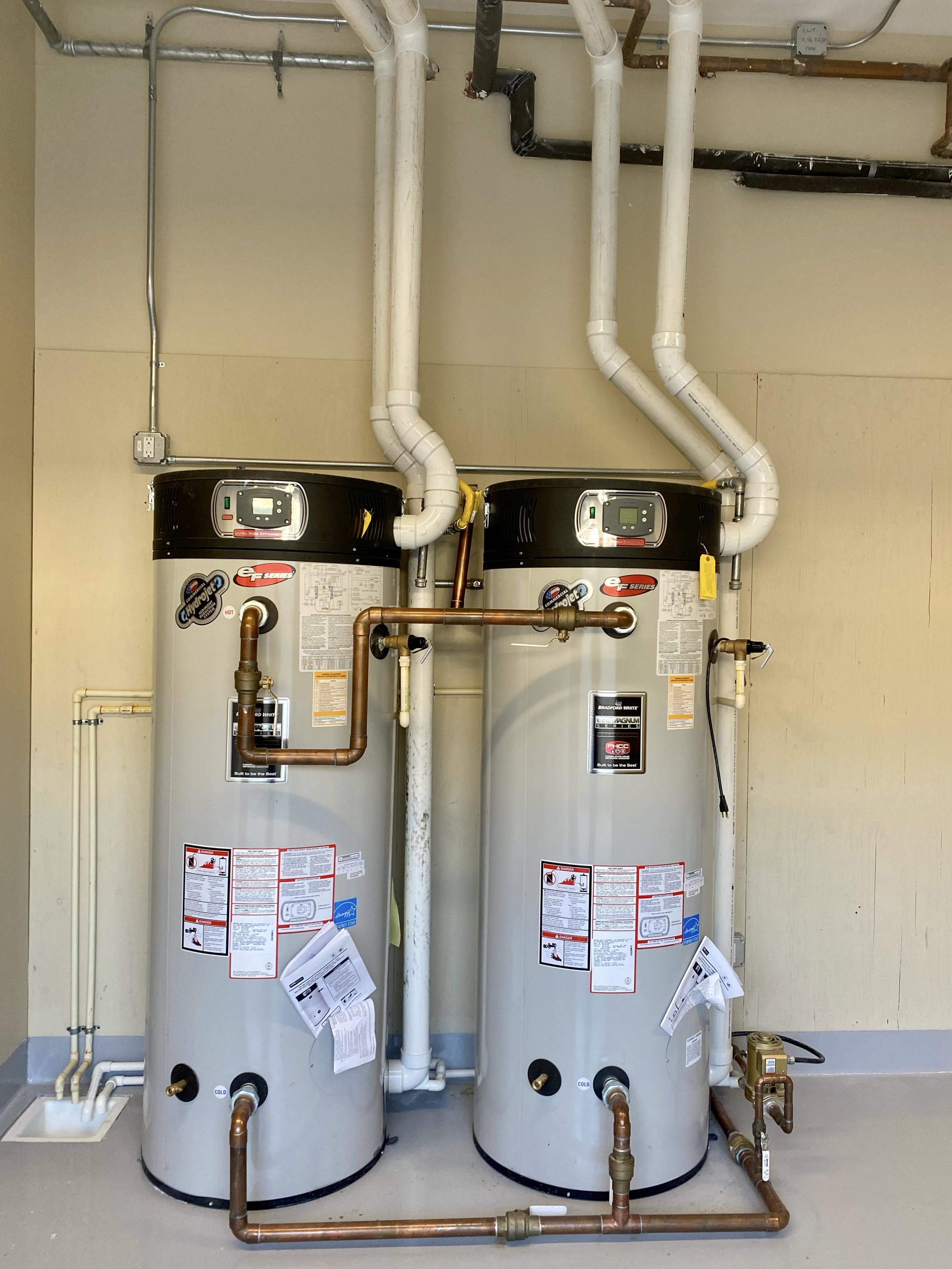
Traditional storage-tank water heaters keep a set volume of water hot at all times, usually between 40 and 80 gallons. When you open a hot tap, water flows out of the top of the tank and cold water enters the bottom to be heated. This design is simple, proven, and less costly to install. The trade-off is standby heat loss, because the tank keeps reheating water even when no one is using it, and a limited supply that can run out during heavy use.
Tankless water heaters, also called on-demand units, heat water only as it passes through the unit. There is no storage tank. A gas burner or electric element activates when a hot tap opens and heats the water instantly. This approach gives you a continuous supply, saves energy during idle periods, and takes up far less space. The main considerations are a higher purchase and installation cost, along with the need for adequate gas supply and correct sizing to meet flow-rate demands.
When you compare the two, keep these factors in mind:
- Hot water supply: A tank holds a fixed amount, while a tankless unit provides an endless supply as long as demand stays within its flow rating.
- Energy use: Tankless units avoid standby losses, which often lowers operating costs over the life of the unit.
- Space: Tankless models mount on a wall and free up floor area that a bulky tank would occupy.
- Lifespan: A well-maintained tankless unit often lasts longer than a standard tank, which can make the initial investment easier to justify.
- Installation needs: Tankless conversions may require gas line upgrades, new venting, or electrical work depending on the model.
Our Installation and Replacement Process
Every project starts with an assessment of your current system and your hot water habits. We measure incoming water pressure, check gas line size and electrical capacity, and inspect the existing venting. We ask how many fixtures run at the same time during your busiest part of the day, since that number drives the correct sizing. This groundwork prevents the common mistake of installing a unit that cannot keep up or one that costs more to run than it should.
Once we confirm the right unit, we handle removal of the old equipment, proper disposal, and full installation to code. That includes correct fittings, temperature and pressure relief valves, expansion tanks where required, and secure venting for combustion units. We take our responsibility very seriously when you place your trust in us. We pledge to always tell you up front what your cost will be to complete your job correctly, and we make it a point to go over any details or limitations of the proposed system that will affect your enjoyment of the end result.
Technical Details That Affect Performance
Flow rate, measured in gallons per minute, is the single most important specification for a tankless unit. A shower typically uses around 2 to 2.5 gallons per minute, so a household that runs two showers and a faucet at once needs a unit rated for roughly 6 or more gallons per minute. Temperature rise matters too, because a unit must raise incoming groundwater to your target output, and colder inlet water reduces the flow a given unit can deliver.
For tank units, the first-hour rating tells you how much hot water the unit can supply during a busy period, combining stored volume with recovery speed. The energy factor, or its newer equivalent, indicates how efficiently the unit converts fuel to hot water. Hard water is another factor across our service area, since mineral buildup shortens the life of any water heater. We often recommend periodic flushing and, in some cases, treatment to protect your investment.
Serving Homes and Businesses in the Area
Thorsen’s-Norquist installs and services water heaters for a wide range of properties, from single-family homes to multi-unit buildings and commercial kitchens that need steady high-volume hot water. Restaurants, salons, and laundry operations each place different demands on a system, and we size and configure equipment to match those specific loads.
Whether you are replacing an aging tank that finally failed, upgrading to a tankless unit to save space and energy, or planning hot water capacity for a remodel, we bring the same careful approach to every job across Modesto and Turlock, CA. Our goal is straightforward: a system that delivers reliable hot water, runs efficiently, and gives you no surprises after the work is done.